

Boston has always been a city of ideas, arguments, rebellion, and reinvention. But it was also once a city where powerful people decided which books could be sold, which plays could be performed, and which voices deserved to be heard.
For decades, the words “Banned in Boston” warned that something had offended the city's guardians of public morality. Books disappeared from shelves. Performances faced censorship. Writers and publishers battled authorities determined to protect Boston from ideas they considered dangerous, indecent, or unacceptable.
And then something extraordinary happened. Being banned in Boston became a selling point.
Today, as America confronts renewed battles over books, education, artistic freedom, and government censorship, Boston's history feels remarkably relevant.
Banned in Boston is a growing GoBoston collection exploring forbidden books, suppressed voices, literary scandals, free speech, and the people who challenged the power to decide what others could read, see, and hear.
Because history isn't simply about remembering what happened. It's about recognizing when it may be happening again.
Once a warning. Now an invitation to read.
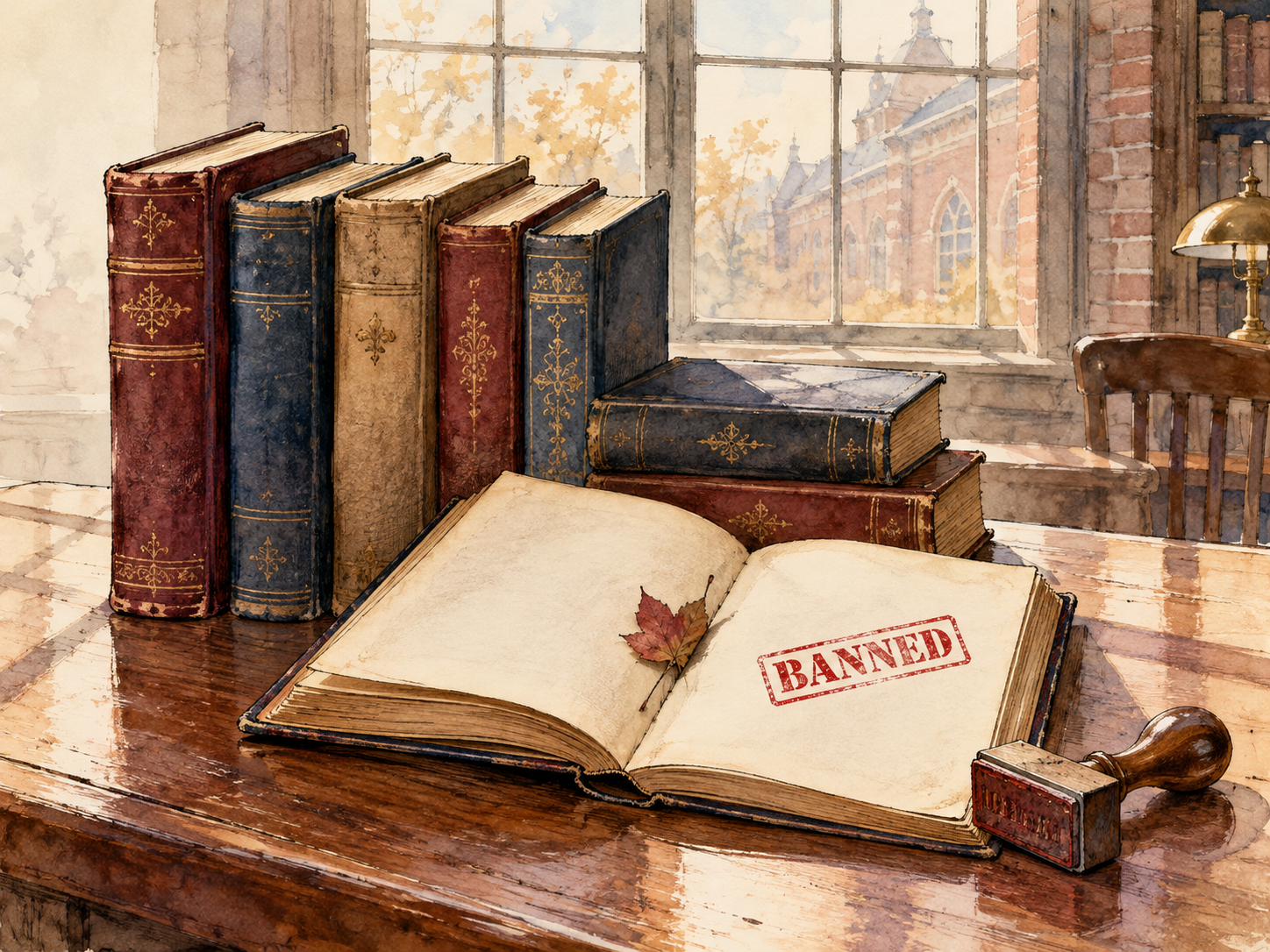
Banned in Boston: Seven Books They Didn't Want You to Read
Once, being banned in Boston was enough to make a book famous. From Walt Whitman's Leaves of Grass to Upton Sinclair's Oil!, discover seven works that scandalized the city's moral guardians, ignited literary controversies, and survived attempts to keep them off Boston's bookshelves. Explore the fascinating stories behind the bans—and discover your next great read.
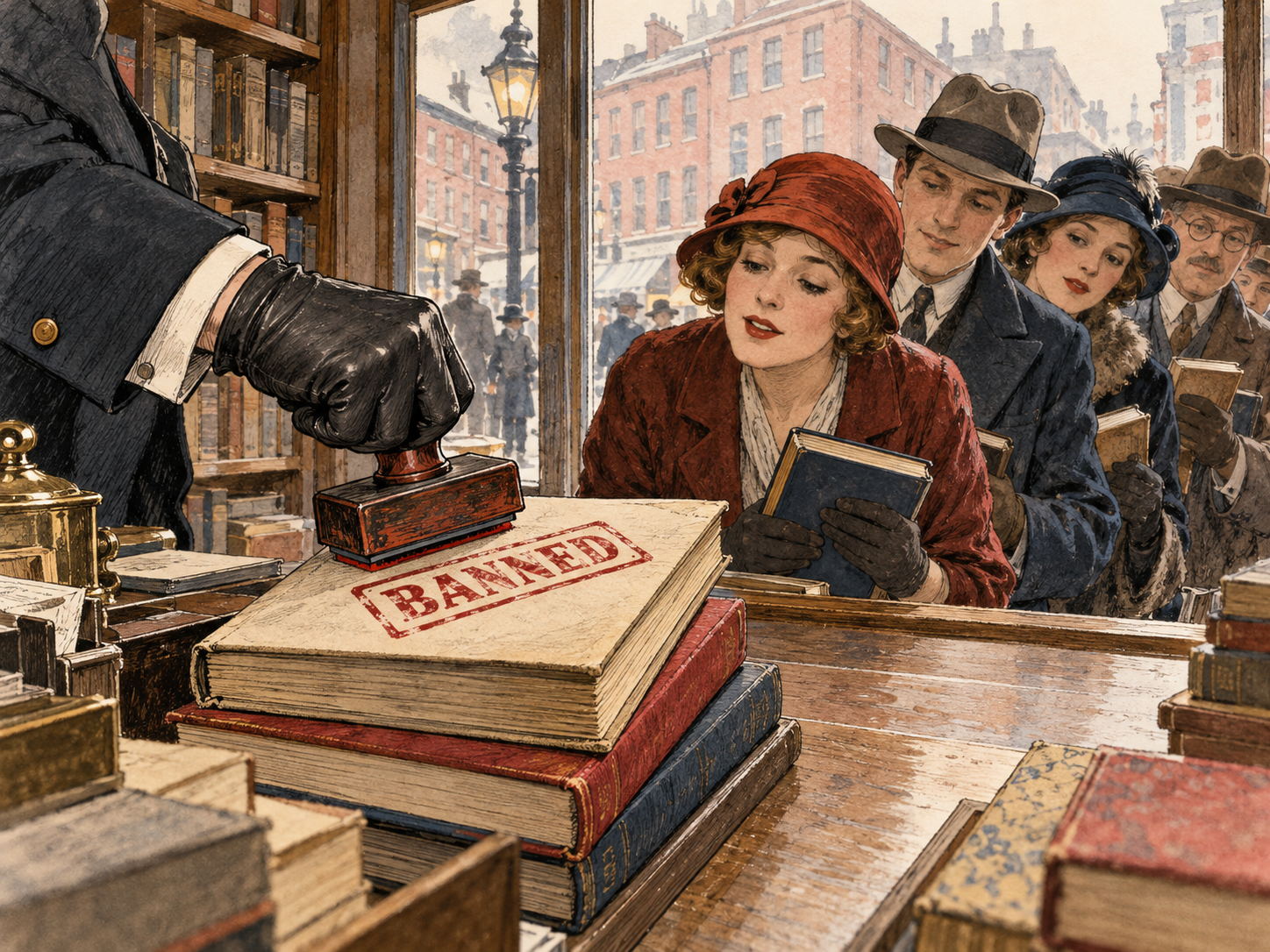
Banned in Boston: When Censorship Was the City's Most Famous Export
Once upon a time, three little words could turn a book into a national sensation: Banned in Boston. Discover how the city's powerful moral guardians tried to suppress books, plays, and ideas—and unintentionally made forbidden literature irresistible. From H. L. Mencken's daring 1926 confrontation on Boston Common to today's renewed battles over book bans, Boston's history offers a timely lesson about censorship, power, and the freedom to read.